
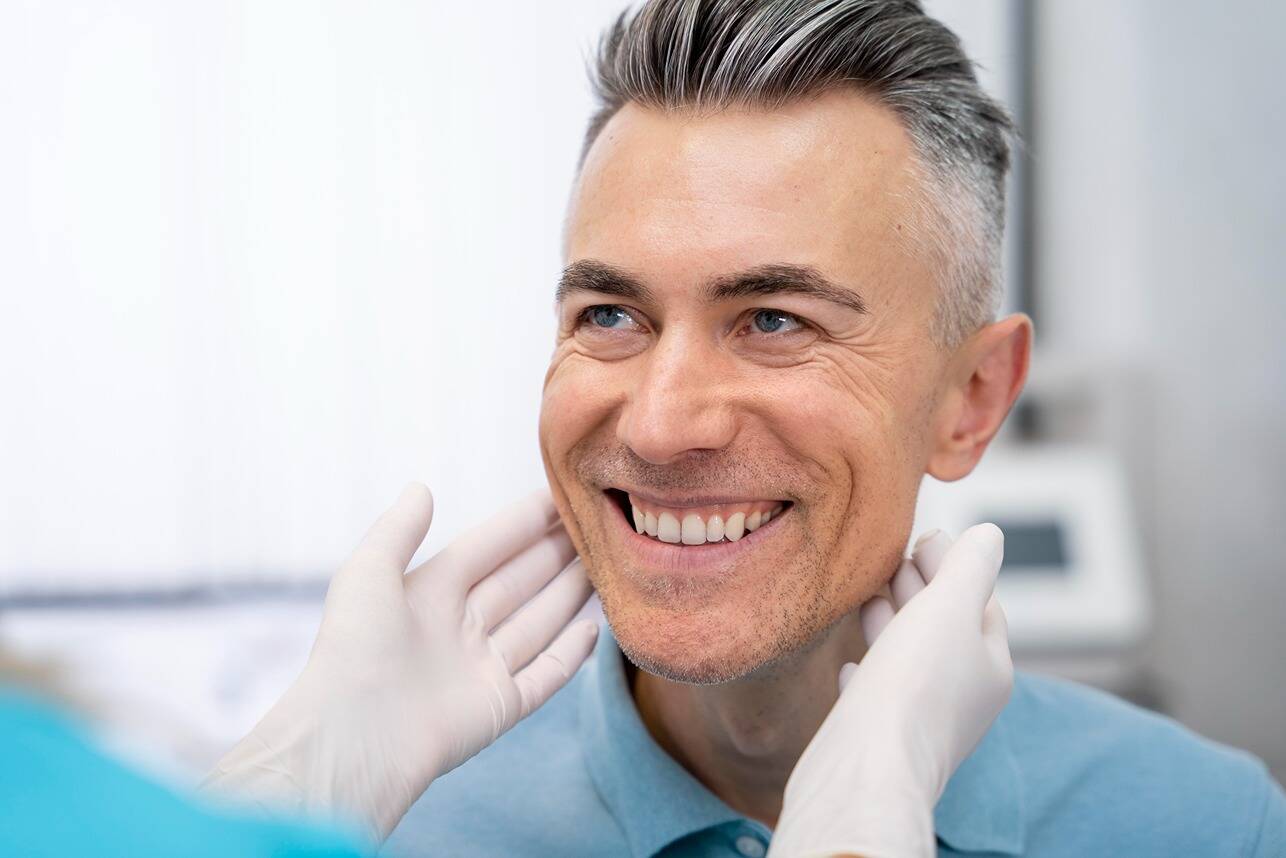
Teeth whitening Dearborn, MI may help brighten natural enamel affected by certain surface stains or dullness, but it is not right for every type of discoloration. Whitening does not change the color of crowns, veneers, bonding, fillings, or dentures. In Dearborn, MI, a dental exam should come first to check cavities, gum health, sensitivity, enamel condition, existing restorations, and whether whitening or another cosmetic option may better fit the concern.
Tooth color can change slowly over time. Coffee, tea, dark sauces, tobacco, aging enamel, and daily habits may leave teeth looking dull or stained. Some patients in Dearborn, MI notice the change in photos, while others see it when comparing natural teeth with older dental work.
Patients searching for teeth whitening Dearborn, MI often want a brighter smile but may not know whether whitening is the right option. Whitening can help with some types of stains, but it does not work the same for every tooth. A dental exam can help identify whether the concern is surface staining, deeper discoloration, enamel wear, old dental work, or another issue that may need different care.
How Teeth Whitening Works
Teeth whitening is designed to brighten natural tooth enamel. Whitening products use ingredients that help break down certain stains within or on the enamel surface.
The response varies from person to person. Tooth shade, enamel thickness, stain type, diet, habits, and previous dental work can all affect the result.
Whitening does not make teeth healthier. It is a cosmetic option that should be considered after tooth and gum health are checked.
What Types of Stains May Respond
Some stains are external, meaning they come from food, drinks, tobacco, or surface buildup. These stains may respond better to cleaning and whitening than deeper discoloration.
Teeth can also darken with age as enamel becomes thinner, and the inner tooth color shows more. Whitening may help in some cases, but results can vary.
Other stains may be deeper. Trauma, certain medications, old fillings, enamel defects, or internal tooth changes may not respond well to whitening. A dental exam helps clarify the cause.
Why a Dental Exam Should Come First
A dentist in Dearborn, MI evaluation can help determine whether whitening is safe and suitable. The dentist may check for cavities, gum inflammation, exposed roots, enamel wear, cracks, and sensitivity.
Whitening can irritate untreated cavities or sensitive areas. Gum inflammation may also need attention before whitening is discussed.
Existing dental work matters too. Crowns, veneers, bonding, fillings, and dentures do not whiten like natural enamel. If these restorations are visible, shade matching may need careful planning.
When Whitening May Not Be the Best Option
Whitening may not be the best choice if discoloration comes from a damaged tooth, an old restoration, trauma, or internal staining. A dark single tooth may need evaluation to rule out deeper issues.
Whitening also cannot repair chips, gaps, worn edges, or uneven tooth shape. Those concerns may need bonding, veneers, crowns, or another cosmetic option.
At Dearborn Family Smiles, whitening discussions may include reviewing tooth color, enamel condition, gum health, restorations, and sensitivity before options are explained. This helps patients understand whether whitening may fit or whether another approach may be better.
Sensitivity and Whitening
Some patients experience tooth sensitivity during or after whitening. Sensitivity may depend on enamel condition, gum recession, whitening strength, product use, and existing sensitivity before treatment.
Patients with exposed roots, worn enamel, or untreated cavities may be more likely to feel discomfort. A dental exam can help identify these concerns before whitening begins.
Your dentist may discuss ways to reduce sensitivity risk, adjust timing, or recommend care before whitening. Severe or lasting sensitivity should be evaluated.
Whitening and Existing Dental Work
Whitening only affects natural tooth enamel. It does not change the shade of crowns, veneers, bonding, fillings, bridges, or dentures.
This matters if visible dental work is near the front of the smile. Natural teeth may lighten, while restorations stay the same color, creating a mismatch.
In some cases, whitening may be planned before replacing a visible restoration so the new material can match the desired shade. The right sequence depends on the patient’s mouth.
Whitening After Dental Emergencies
A chipped, cracked, painful, or injured tooth should not be treated as only a color concern. Trauma can affect the nerve or structure of the tooth, even if the tooth still looks mostly intact.
An emergency dentist in Dearborn, MI patient visits may first need to evaluate pain, swelling, bleeding, or damage. Whitening should wait until the tooth is stable, and the source of symptoms is understood.
A tooth that darkens after trauma should be checked. The cause may be internal and may need treatment other than whitening.
Daily Habits That Affect Tooth Color
Food and drink choices can affect tooth color over time. Coffee, tea, cola, red wine, berries, dark sauces, and tobacco can contribute to staining.
Oral hygiene matters, too. Plaque and tartar can make teeth look dull. Cleaning may improve the appearance of teeth before whitening is even discussed.
Whitening results also need maintenance. Patients who continue stain-causing habits may notice color changes return over time.
Benefits Patients Often Want from Whitening
Whitening may be helpful for selected patients who want to brighten natural enamel. The best results depend on stain type, enamel condition, and ongoing care.
Teeth whitening may help with:
- Brightening natural enamel
- Reducing selected surface stains
- Refreshing a dull-looking smile
- Planning shade before cosmetic restorations
- Improving confidence in photos or daily life
- Supporting cosmetic goals without reshaping teeth
- These benefits depend on the cause of discoloration. Whitening is not suitable for every patient or every stain.
What to Expect During a Whitening Consultation
A whitening consultation usually begins with a discussion about tooth color concerns, sensitivity, dental history, and goals. The dentist may ask whether staining is new, long-term, or limited to one tooth.
The exam may include checking gums, enamel, cavities, restorations, and areas of recession. The dentist may explain whether whitening is suitable or whether another option may better match the concern.
Patients should also understand what whitening can and cannot change. This helps set realistic expectations before treatment begins.
Caring for Teeth After Whitening
After whitening, daily habits can affect how long the brighter shade lasts. Brush, floss, and keep regular cleanings to reduce plaque and surface stains.
Limiting frequent stain-causing foods and drinks may help. Drinking water after coffee or tea can reduce how long staining liquids stay on the teeth.
Patients should avoid overusing whitening products. Too much whitening or improper use can increase sensitivity or irritate gums. Follow dental guidance for safe use.
Local Patient Review
“I wanted whiter teeth but did not realize older dental work would not change color. The visit helped me understand what whitening could and could not do.”
A Brighter Smile Starts With Healthy Teeth
Whitening can be helpful when stains are the right type and the teeth and gums are healthy enough for cosmetic treatment. For patients in Dearborn, MI comparing whitening, bonding, veneers, or other smile options, Dearborn Family Smiles can help explain what may fit after a complete evaluation.
Frequently Asked Questions
Is teeth whitening Dearborn, MI treatment right for everyone?
No, whitening is not right for every patient. Cavities, gum inflammation, sensitivity, enamel wear, and visible restorations should be checked first.
Does whitening work on crowns or fillings?
No, whitening does not change the color of crowns, veneers, bonding, fillings, bridges, or dentures. It only affects natural enamel.
Can whitening help yellow teeth?
It may help some yellowing caused by external stains or aging enamel. Results vary based on stain type, enamel condition, and oral health.
What if only one tooth is dark?
A single dark tooth should be evaluated before whitening. Trauma, nerve changes, or older dental work may be involved.
Will whitening make my teeth sensitive?
Some patients may have temporary sensitivity. Existing sensitivity, gum recession, enamel wear, or cavities can increase the risk.
Should I get a cleaning before whitening?
A cleaning may be recommended because plaque and tartar can make teeth look dull. Clean teeth may also help with better shade evaluation.
Can whitening fix chips or gaps?
No, whitening changes tooth color only. Chips, gaps, worn edges, or shape concerns may need bonding, veneers, crowns, or another option.
How can I maintain whitening results?
Brush, floss, keep regular dental visits, and limit frequent stain-causing foods or drinks. Avoid overusing whitening products without guidance.